
 By admin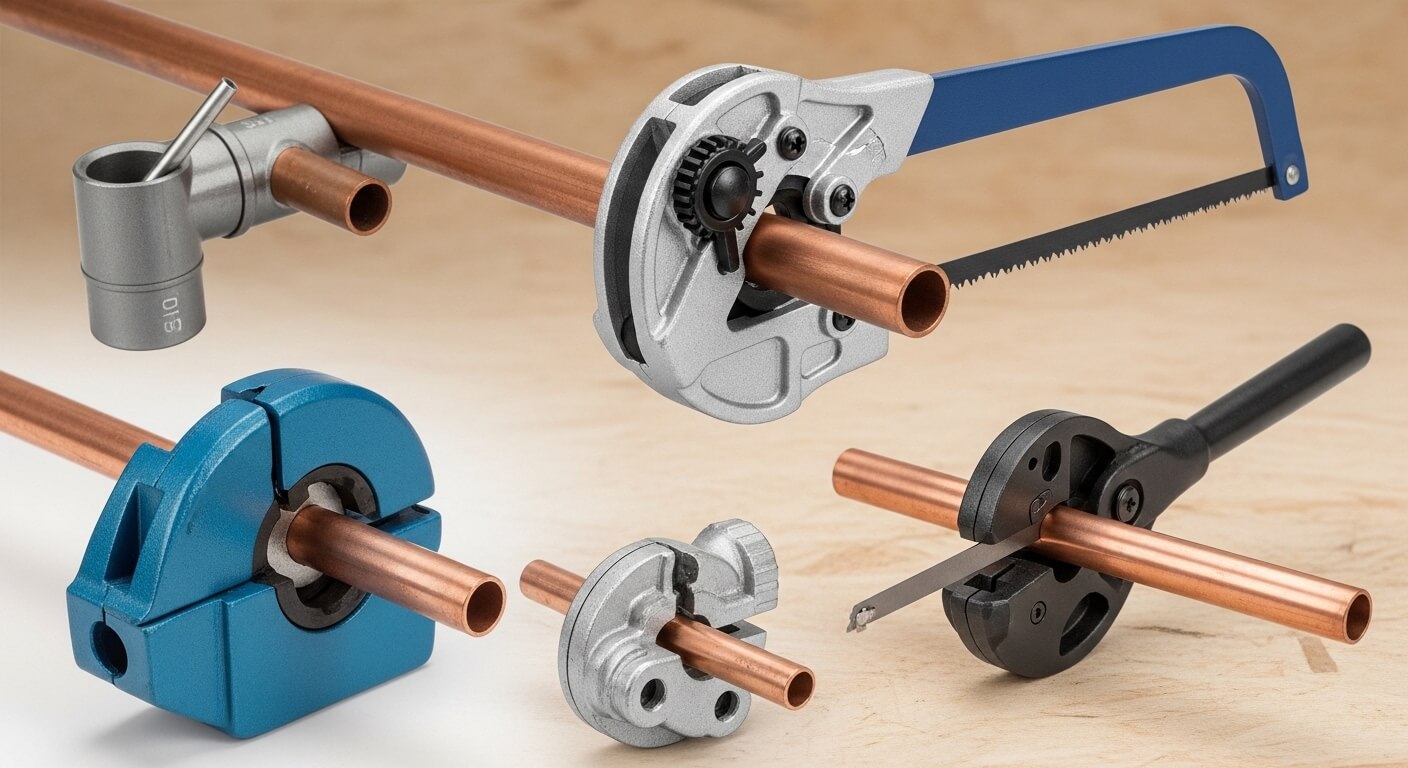
Home improvement projects can often feel overwhelming, especially when it comes to plumbing tasks. One tool that can make all the difference is the pipe cutter. This unassuming device might not seem like much at first glance, but its impact on your DIY endeavors is significant. Whether you’re tackling a simple home repair or embarking on a major renovation, understanding how to use a pipe cutter effectively will transform your approach and streamline your work.
Imagine slicing through pipes with precision instead of struggling with hacksaws and hoping for the best. A quality pipe cutter allows you to achieve clean cuts without the hassle, ensuring that every joint fits neatly together. In this article, we’ll dive into various types of pipe cutters available today, explore their benefits, provide step-by-step instructions for using them safely and efficiently, and even highlight some other creative uses you may not have considered. Your toolkit deserves this essential upgrade!
The Different Types of Pipe Cutters
When it comes to pipe cutters, variety is key. Each type serves a specific purpose, catering to different materials and project requirements.
Rotary pipe cutters are popular for their simplicity. They feature a circular blade that rotates around the pipe, making clean cuts effortlessly. These are ideal for softer materials like copper and PVC.
On the other hand, there are also ratcheting pipe cutters. These tools utilize a ratchet mechanism that allows users to cut through tougher pipes with minimal effort. They’re especially useful when working in tight spaces.
Another option is the hacksaw-style cutter. This versatile tool can handle various types of pipes but requires more manual labor compared to rotary or ratcheting models.
Last but not least, specialized cutting tools exist for larger diameter pipes or particular materials such as cast iron or steel. Each type of cutter brings unique advantages tailored to your home improvement projects.
Benefits of Using a Pipe Cutter
Using a pipe cutter offers precision that other tools simply can’t match. This accuracy ensures clean, straight cuts every time, making your plumbing projects look professional.
Speed is another advantage. With a pipe cutter, you can make quick work of cutting through various materials like copper or PVC. This efficiency saves valuable time on home improvement tasks.
Pipe cutters are also designed for safety. Unlike hacksaws that require more force and risk slipping, these cutters provide a controlled grip and steady pressure to minimize accidents.
Moreover, they create less debris than traditional methods. The neatness of the cut means fewer messes to clean up afterward—a welcome relief during renovations.
Using this tool reduces the strain on your body. Pipe cutters require minimal effort compared to manual saws, allowing you to maintain energy throughout larger projects without discomfort.
Step-by-Step Guide on Using a Pipe Cutter
Using a pipe cutter is straightforward and efficient. Start by selecting the right size of pipe cutter for your project.
Next, position the pipe in a stable area. Ensure it’s secured to avoid any movement while cutting. Place the cutter around the pipe and align it carefully where you want to make the cut.
Tighten the cutter’s handle until it grips the pipe firmly. Rotate the tool around the pipe gradually, applying consistent pressure as you go along. This will ensure a clean and smooth cut.
As you rotate, keep an eye on your progress to prevent over-tightening or misalignment. Once you’ve made one complete rotation, loosen and re-tighten as needed until you’ve cut through completely.
After finishing, remove any burrs from both ends of the cut using a deburring tool or file for safety against sharp edges. Your newly-cut pipes are now ready for installation or further work!
Safety Tips for Using a Pipe Cutter
Using a pipe cutter can be straightforward, but safety should always come first. Ensure you’re wearing appropriate personal protective equipment such as gloves and safety goggles. This minimizes the risk of injury from flying debris.
Always inspect your tool before use. Check for any damage or wear that could affect its performance. A well-maintained cutter is safer and more effective.
When cutting, secure the pipe properly in a vice or clamp to prevent it from moving. Stability ensures cleaner cuts and reduces accidents.
Keep your workspace organized and free of clutter. An orderly environment helps you focus on the task at hand without distractions or hazards.
Remain attentive throughout the process. If you’re feeling fatigued or distracted, take a break before continuing to ensure precision and safety in every cut made.
Other Uses for a Pipe Cutter
Pipe cutters are versatile tools that extend beyond their primary function. They can also slice through various materials, making them valuable for different projects.
For instance, if you’re working with plastic tubing or rubber hoses, a pipe cutter provides clean and precise cuts. This ensures your connections are tight and leak-free.
Craft enthusiasts also find these tools handy. Whether it’s crafting intricate models or creating DIY decorations, a pipe cutter allows for accurate trimming of small tubes without fuss.
Even in automotive work, the tool comes in handy for cutting exhaust pipes or fuel lines efficiently. The clean edges help prevent leaks and ensure safety.
In gardening, use a pipe cutter to shape irrigation systems effortlessly. It simplifies adjustments needed for proper watering while keeping everything neat and tidy.
Conclusion
When it comes to home improvement tasks, having the right tools can make all the difference. A pipe cutter is an essential addition to any DIY enthusiast’s toolkit. With its ability to provide clean and precise cuts, this tool streamlines plumbing projects, saving you both time and frustration.
By understanding the different types of pipe cutters available and their respective benefits, you can choose the one that best suits your needs. The steps for using a pipe cutter are straightforward but require attention to detail and safety precautions. Proper utilization not only enhances efficiency but also ensures accuracy in your work.
Beyond traditional plumbing tasks, a pipe cutter proves versatile with various applications in crafting and repairs around the home. Whether you’re tackling small or large projects, mastering this tool elevates your skill set significantly.
Investing time in learning about proper usage will lead you toward improved results in your home improvement endeavours—transforming complex tasks into manageable ones while ensuring professional-grade outcomes every step of the way. Embrace the power of a pipe cutter; it’s more than just a tool—it’s an ally for successful DIY projects.