
 By admin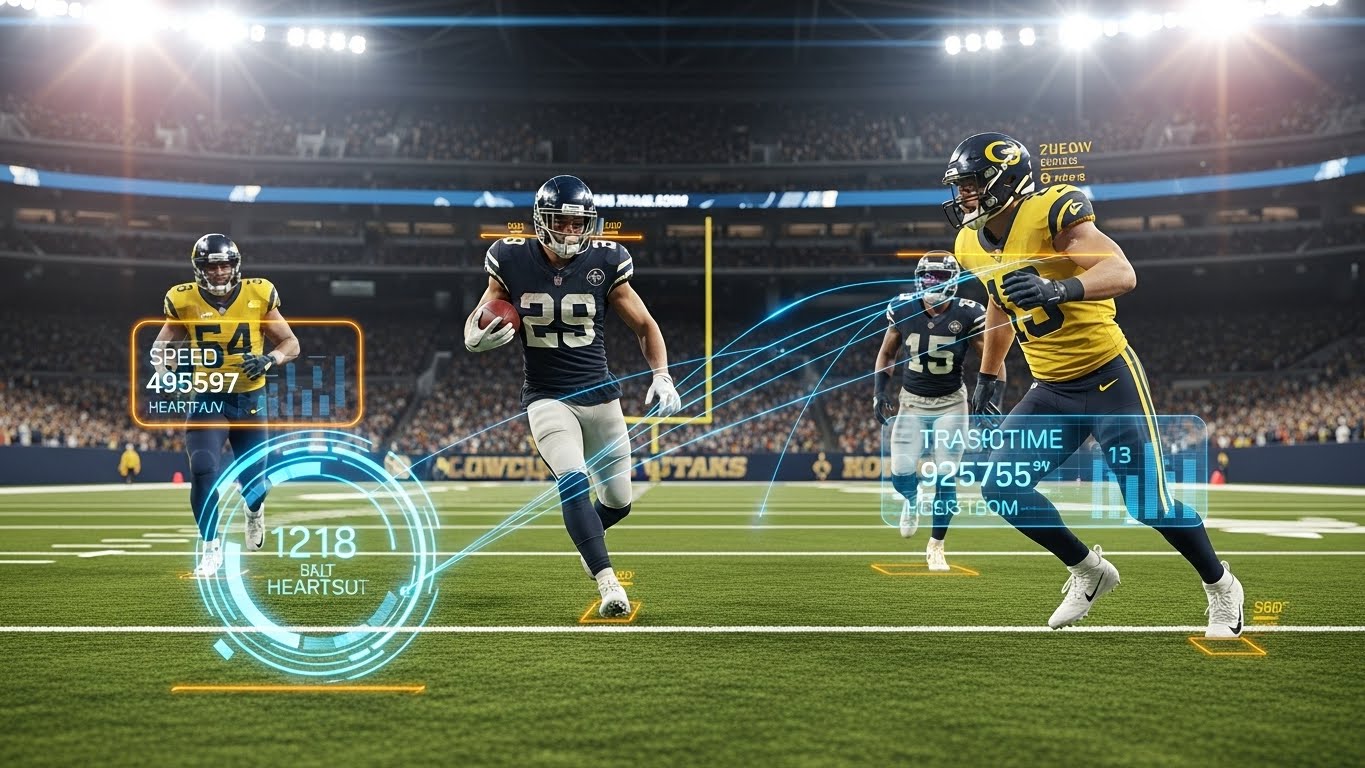
The NFL is no stranger to innovation. From advanced training techniques to state-of-the-art equipment, the league constantly seeks ways to enhance player performance and game strategy. Enter NFL ITE (Intelligent Tracking and Evaluation), a groundbreaking technology that promises to change the way teams analyze their players and optimize their gameplay. Imagine harnessing data-driven insights that can predict performance trends, enhance training programs, and even influence contract negotiations. As we delve into what NFL ITE is all about, we’ll explore how it operates, its numerous advantages for teams and players alike, real-world applications in action, as well as the potential implications on team strategies moving forward. Join us on this journey through the future of football analytics—where every yard gained or lost could hinge on intelligent evaluation systems!
What is ITE and how does it work?
NFL ITE, or Intelligent Tracking and Evaluation, is a cutting-edge technology designed to enhance player performance analysis. It utilizes advanced sensors and cameras installed in stadiums to capture real-time data on player movements.
The system tracks various metrics such as speed, acceleration, and distance covered during games. This information helps coaches and analysts evaluate players’ performances more accurately than traditional methods.
Data collected through ITE can also be integrated with video footage for deeper insights. Coaches can view specific plays from multiple angles while simultaneously analyzing player efficiency and positioning.
By combining analytics with visual feedback, teams gain a comprehensive understanding of their athletes’ strengths and weaknesses. This multifaceted approach enables targeted training regimens tailored to individual needs.
The Benefits of Using ITE in the NFL
The benefits of using ITE in the NFL are profound and multifaceted. It enhances player performance by providing real-time data analytics during games. Coaches can make immediate adjustments based on precise metrics.
Additionally, ITE aids in injury prevention. By analyzing movement patterns and workload, teams can identify potential risks before they lead to serious injuries. This proactive approach keeps players on the field longer.
Moreover, scouting and recruitment processes are transformed with ITE technology. Teams gain deeper insights into a player’s capabilities beyond traditional stats, ensuring smarter draft picks or trades.
Fan engagement sees a boost as well. With detailed statistics becoming more accessible, fans experience a richer understanding of the game dynamics—making every play feel significant and impactful.
Real-World Examples of ITE in Action
NFL teams are increasingly turning to ITE for insights that reshape their game plans. For instance, during a playoff run, the New Orleans Saints utilized ITE to analyze player fatigue levels. They discovered key players were more effective when resting certain muscle groups, leading to strategic substitutions.
The Minnesota Vikings also harnessed ITE technology in training camps. By monitoring performance metrics like speed and agility in real-time, coaches adjusted drills instantly based on individual athlete data.
Moreover, the Kansas City Chiefs integrated ITE analytics into their scouting process. This allowed them to pinpoint potential draft picks whose playing styles perfectly aligned with their offensive scheme.
These examples illustrate how NFL franchises leverage ITE not just for immediate gains but also for long-term strategic advantages. The results? Enhanced player health and improved team performance on the field.
Potential Impact on Team Strategies and Player Contracts
The integration of NFL ITE can significantly reshape how teams approach strategies and player contracts. By leveraging advanced analytics, coaches can gain deeper insights into player performance trends. This data-driven perspective allows for more informed decision-making during game planning.
Teams might find themselves tailoring their offensive and defensive strategies based on real-time ITE analysis. Understanding individual strengths and weaknesses becomes vital in optimizing team dynamics.
When it comes to player contracts, organizations could shift toward offering deals based on quantifiable metrics derived from ITE technology. Performance predictions may lead to innovative contract structures that reward players not only for current performance but also for projected future contributions.
As teams adopt this technology, the market for talent will likely change. Players with strong analytical profiles may command higher value, creating a new landscape in negotiations and recruitment practices across the league.
Criticisms and Controversies Surrounding NFL ITE
The introduction of NFL ITE has not been without its critics. Some analysts argue that the technology can create an over-reliance on data, overshadowing traditional scouting methods and instincts.
Privacy concerns also loom large. Players may feel uneasy knowing their every move is tracked and analyzed. This could lead to discomfort in how performance metrics are interpreted or used against them.
Furthermore, some teams may exploit the information unequally, leading to a competitive imbalance in talent acquisition. Smaller franchises might struggle to keep up with larger organizations that have better resources for implementing ITE technologies.
There’s skepticism regarding the accuracy of data interpretation itself. Misleading stats can arise from poor analysis or misconfiguration of tracking systems, potentially affecting player evaluations and strategic decisions negatively.
Conclusion: The Future of NFL Performance Analysis with ITE
The landscape of NFL performance analysis is rapidly evolving with the introduction of ITE. As teams integrate this technology into their training regimens, we are likely to see a significant transformation in how players develop and perform on the field.
ITE offers an unprecedented level of insight into player abilities and potential. This detailed analysis not only aids coaches in tailoring strategies but also helps athletes refine their skills based on data-driven feedback. The implications for team dynamics and individual contracts could be profound as organizations become more reliant on precise metrics.
As ITE continues to advance, it will likely shape future scouting processes, recruitment strategies, and even game-day decisions. Embracing this technology may provide teams with a competitive edge that redefines success within the league.
With rapid developments in AI and machine learning capabilities, it seems clear that NFL ITE is just beginning its journey. As we look ahead, we can expect innovations that push the boundaries of what’s possible in sports analytics—an exciting prospect for fans, players, and coaches alike.