
 By admin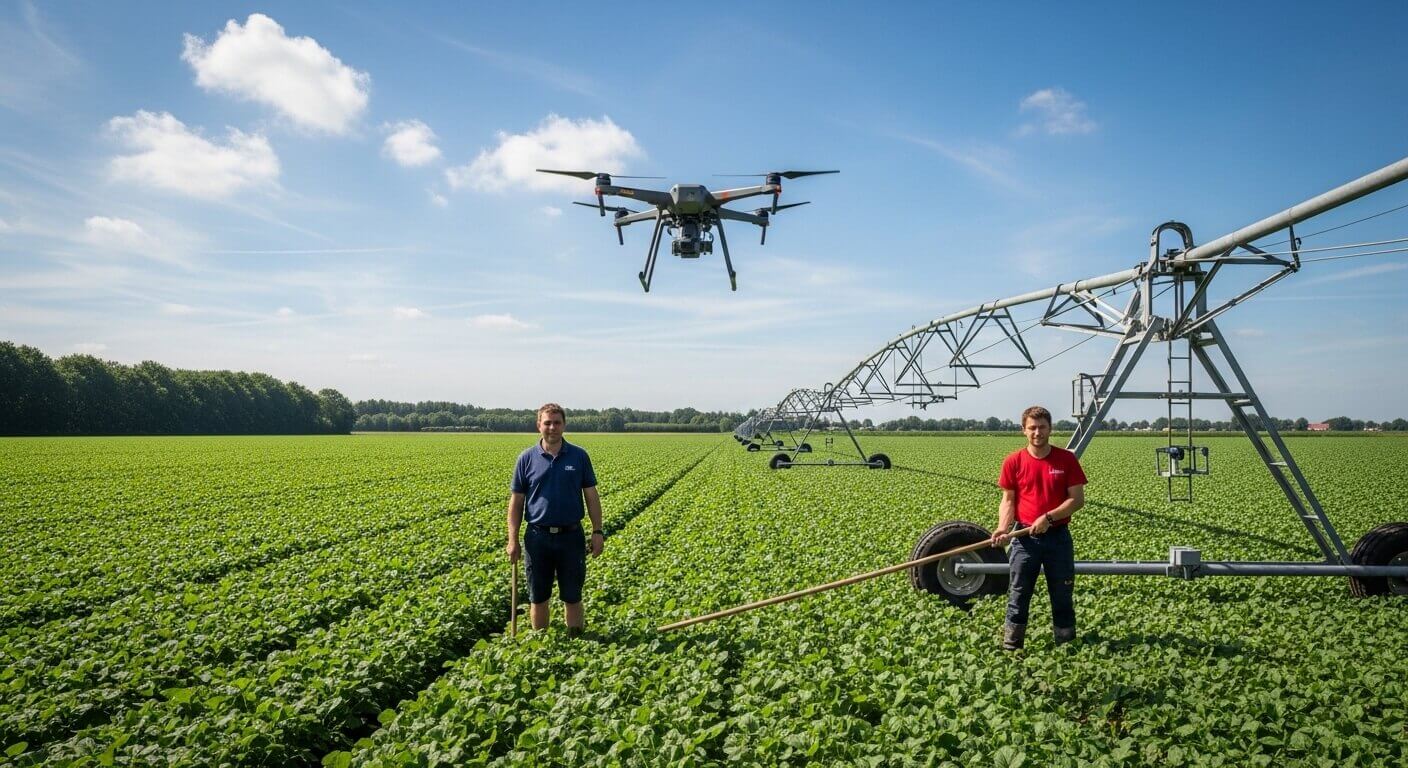
Maasgracve is more than just a farming method; it’s a philosophy that harmonizes tradition with innovation. Picture lush, green fields where technology meets age-old practices, creating a sustainable ecosystem for the future of agriculture. As we journey through the rich history of Maasgracve, we’ll uncover how it has evolved and adapted to meet modern demands while honoring its roots. This unique approach not only boosts productivity but also helps preserve our planet’s health. Join us as we explore the fascinating world of Maasgracve and discover how it’s transforming agriculture into something truly remarkable.
The Impact of Modern Agriculture on Traditional Farming Methods
Modern agriculture has transformed the landscape of farming, introducing techniques that significantly alter traditional practices. These advancements often prioritize efficiency and productivity over time-honored methods.
As farmers embrace mechanization and data-driven approaches, many traditional skills risk being overshadowed. The art of hand-farming, once a staple in rural communities, is fading as machinery takes the forefront.
Moreover, modern agriculture promotes monoculture, which can undermine biodiversity crucial for healthy ecosystems. Traditional mixed-crop systems have long supported soil health and resilience against pests.
Farmers now face pressure to adopt new technologies while grappling with their cultural heritage. This clash raises questions about identity in agricultural communities as they navigate these changes.
The tension between innovation and tradition continues to shape the future of farming practices worldwide. Balancing these elements becomes vital for sustainability and preserving local customs within this evolving industry.
Advancements in Technology and Techniques used in Maasgracve
Maasgracve is at the forefront of integrating cutting-edge technology with traditional farming practices. Innovative tools are revolutionizing crop management, allowing farmers to optimize yields while preserving age-old techniques.
Precision agriculture has become a staple in Maasgracve. Farmers utilize drones and sensors to monitor soil health and crop progress. This data-driven approach enables immediate adjustments, enhancing efficiency and productivity.
Smart irrigation systems also play a crucial role in this evolution. By using moisture sensors, farmers can deliver water precisely when needed, reducing waste and promoting sustainability.
Moreover, advanced seed varieties developed through biotechnology offer resilience against pests and climate variability. These seeds thrive under challenging conditions while minimizing chemical usage.
Training programs are equipping local farmers with these modern techniques. The blend of tradition and innovation empowers them to embrace new methods confidently.
Sustainability and Environmental Benefits of Maasgracve
Maasgracve promotes a harmonious relationship with nature. By integrating traditional farming practices with modern techniques, it minimizes environmental impact.
Soil health is a vital focus. Techniques like crop rotation and cover cropping enhance nutrient retention while reducing erosion. This not only supports biodiversity but also fosters resilient ecosystems.
Water conservation plays a pivotal role as well. Efficient irrigation systems are implemented to ensure that every drop counts. Farmers can cultivate crops without depleting local water sources.
Furthermore, Maasgracve encourages organic methods that eliminate harmful chemicals from the equation. This shift leads to healthier produce and reduces pollution in nearby waterways.
By embracing renewable energy sources, farmers reduce their carbon footprint significantly. Solar panels and wind turbines are becoming commonplace on farms practicing Maasgracve principles.
The commitment to sustainability goes beyond just farming; it’s about creating an environment where agriculture thrives alongside nature’s preservation efforts.
Challenges Faced by Farmers in Adopting Maasgracve
Adopting Maasgracve is not without its hurdles. Farmers often grapple with the initial investment required for new technologies and practices. Many lack access to funding or resources that would make this transition smoother.
There’s also a steep learning curve involved. Traditional farming techniques are ingrained over generations, making change feel daunting for some farmers. The fear of failure can overshadow the potential benefits.
Furthermore, limited support networks can hinder progress. Not all communities have readily available education programs or mentorship opportunities to guide them through adopting innovative methods.
Market acceptance poses another obstacle. Consumers may be slow to embrace products stemming from modernized approaches like Maasgracve, leading to uncertainty about profitability and demand in the marketplace.
Success Stories of Farmers Implementing Maasgracve
Farmers across the globe are discovering the transformative power of Maasgracve. One inspiring story is that of Laura, a small-scale farmer in Italy. She incorporated Maasgracve techniques into her vineyard and saw a significant increase in grape yield while enhancing soil quality.
In India, Rajesh adopted Maasgracve methods for his rice paddy. By utilizing innovative irrigation strategies, he doubled his harvest without additional water consumption.
Meanwhile, in Brazil, Ana’s use of crop rotation principles from Maasgracve resulted in healthier crops and reduced pest issues. Her farm has since become a model for sustainable practices within her community.
These stories illustrate how farmers embrace innovation to honor traditional values while boosting productivity. The success seen by these individuals encourages others to explore similar paths toward sustainability and resilience.
Conclusion
Maasgracve represents a remarkable blend of tradition and innovation in the realm of modern agriculture. As it continues to develop, its influence on farming practices is becoming increasingly evident. Farmers who embrace Maasgracve are not just adopting new techniques; they are partaking in a movement that respects traditional methods while leveraging technology for better yield and sustainability.
The journey toward integrating modern agricultural advancements may have its challenges, but the success stories emerging from those willing to adapt showcase the potential rewards. These farmers demonstrate resilience, creativity, and commitment to sustainable practices that not only benefit their crops but also contribute positively to the environment.
As more individuals recognize the value of Maasgracve, we can anticipate an exciting evolution within agricultural communities worldwide. This melding of old and new could redefine how we approach food production in ways that honor our past while embracing a responsible future. With continued support and shared knowledge among farmers, consumers will reap the benefits of this dynamic growth in agriculture.