 By admin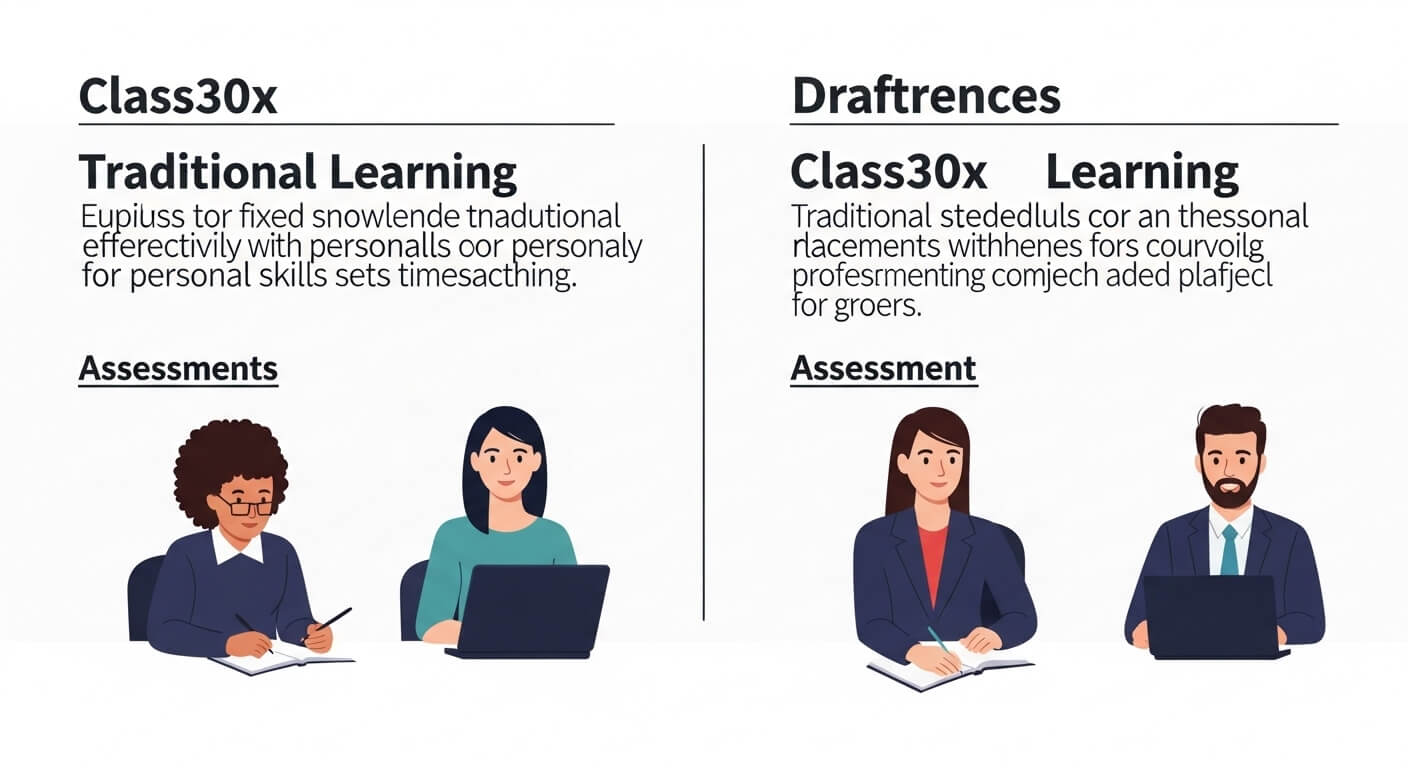
In the ever-evolving landscape of education, two distinct paths have emerged: Class30x and traditional learning. Each offers unique experiences and methodologies that cater to different types of learners. Class30x, a modern twist on educational engagement, promises flexibility and interactivity that many find appealing in today’s fast-paced world. On the other hand, traditional learning has stood the test of time with its structured approach and established curriculum.
As students navigate their educational journeys, choosing between these two methods can feel overwhelming. How do they compare? What are their strengths and weaknesses? Let’s dive into this intriguing comparison to uncover which method might be the best fit for you or your loved ones.
Similarities between Class30x and Traditional Learning
Both Class30x and traditional learning share a common goal: to impart knowledge effectively. They aim to equip students with essential skills for personal and professional growth.
Interaction is present in both methods. In traditional classrooms, teachers engage directly with students. Similarly, Class30x fosters interaction through online platforms where learners can participate in discussions and ask questions.
Assessment plays a crucial role as well. Both approaches utilize tests and assignments to evaluate student understanding. This helps track progress over time, ensuring that learners stay on the right path.
Motivation is key in each model. Both environments encourage students to strive for excellence by setting goals and celebrating achievements along their educational journey.
Differences between Class30x and Traditional Learning
Class30x and traditional learning differ significantly in their approach to education. Traditional learning often relies on a fixed classroom structure, with set schedules and physical attendance. Students are bound by the confines of time and location.
Conversely, Class30x embraces flexibility. It offers online classes that can be accessed from anywhere at any time. This allows learners to tailor their study hours according to personal preferences.
Another key difference lies in engagement methods. Traditional classrooms typically involve lectures led by instructors, while Class30x utilizes interactive multimedia tools and peer collaboration for an immersive experience.
Assessment techniques also vary greatly between the two methods. While traditional learning often focuses on exams and grades, Class30x emphasizes continuous assessment through projects and practical applications, fostering deeper understanding rather than rote memorization.
These differences create unique experiences for students based on their individual needs and goals.
Benefits of Class30x
Class30x brings flexibility to the forefront of learning. Students can access materials anytime, making it easier to fit education into busy schedules.
Engagement is another key benefit. The interactive format keeps learners motivated and involved, ensuring they grasp concepts effectively.
Personalized learning paths allow students to progress at their own pace. This tailored approach ensures that everyone stays challenged without feeling overwhelmed.
Additionally, Class30x fosters a sense of community through forums and group activities. Learners connect with peers globally, sharing insights and support along the way.
Cost-effectiveness is also noteworthy. With no commuting costs or expensive textbooks, Class30x presents an affordable alternative for quality education.
Accessing resources from leading experts enhances knowledge acquisition significantly. This blend of convenience and expertise makes Class30x an appealing choice for many modern learners.
Drawbacks of Traditional Learning
Traditional learning often relies heavily on a one-size-fits-all approach. This can leave students struggling to keep up or feeling unchallenged. The standard pace doesn’t cater to individual needs.
Classrooms typically follow rigid schedules, which may not align with every student’s natural rhythm. Those who thrive in flexible environments might find it stifling. In contrast, students are sometimes forced to absorb information that feels disconnected from their interests.
Another drawback is the limited interaction outside of structured settings. Many traditional classrooms prioritize lecturing over engaging discussions, reducing opportunities for critical thinking and collaborative learning.
Additionally, assessments tend to focus on memorization rather than real-world application. This can lead students to feel pressure solely for grades instead of genuine understanding and growth.
Access issues also pose challenges; not all institutions have equal resources or facilities, creating disparities in educational quality across different regions and communities.
Success Stories from Class30x Students
Class30x has transformed countless lives, creating a community of successful learners. Take Sarah, for example. She struggled with traditional methods that left her feeling overwhelmed and lost. After joining Class30x, she found a rhythm that worked for her, thriving in an interactive environment.
Then there’s Jake, who enrolled to advance his career. Within months, he gained valuable skills and confidence that led to a promotion at work. His story highlights how targeted learning can open new doors.
Many students share similar experiences—navigating their studies at their own pace leads to greater retention and understanding. The supportive atmosphere encourages collaboration among peers, fostering both friendships and academic success.
These stories are just glimpses into what Class30x offers—a path where personalized education meets real-world application. Students emerge not just as graduates but as empowered individuals ready to tackle challenges head-on.
Conclusion: Choosing the Right Method for You
When it comes to choosing between Class30x and traditional learning, the best method ultimately depends on your personal preferences, lifestyle, and educational goals. Class30x offers a modern approach that emphasizes flexibility and engagement through its innovative techniques. On the other hand, traditional learning provides structure and face-to-face interaction which some learners find beneficial.
Reflect on what environment helps you thrive. If you’re someone who thrives in a self-paced setting with interactive tools at your fingertips, Class30x might be more suited for you. However, if you prefer the classic classroom experience with direct access to instructors and peers, traditional methods may resonate better.
Consider your unique needs when making this choice. Whether you opt for Class30x or stick with conventional education models, ensure that whatever path you choose aligns well with how you learn best. Your success is what matters most—find the route that inspires and motivates you to reach your full potential.