 By admin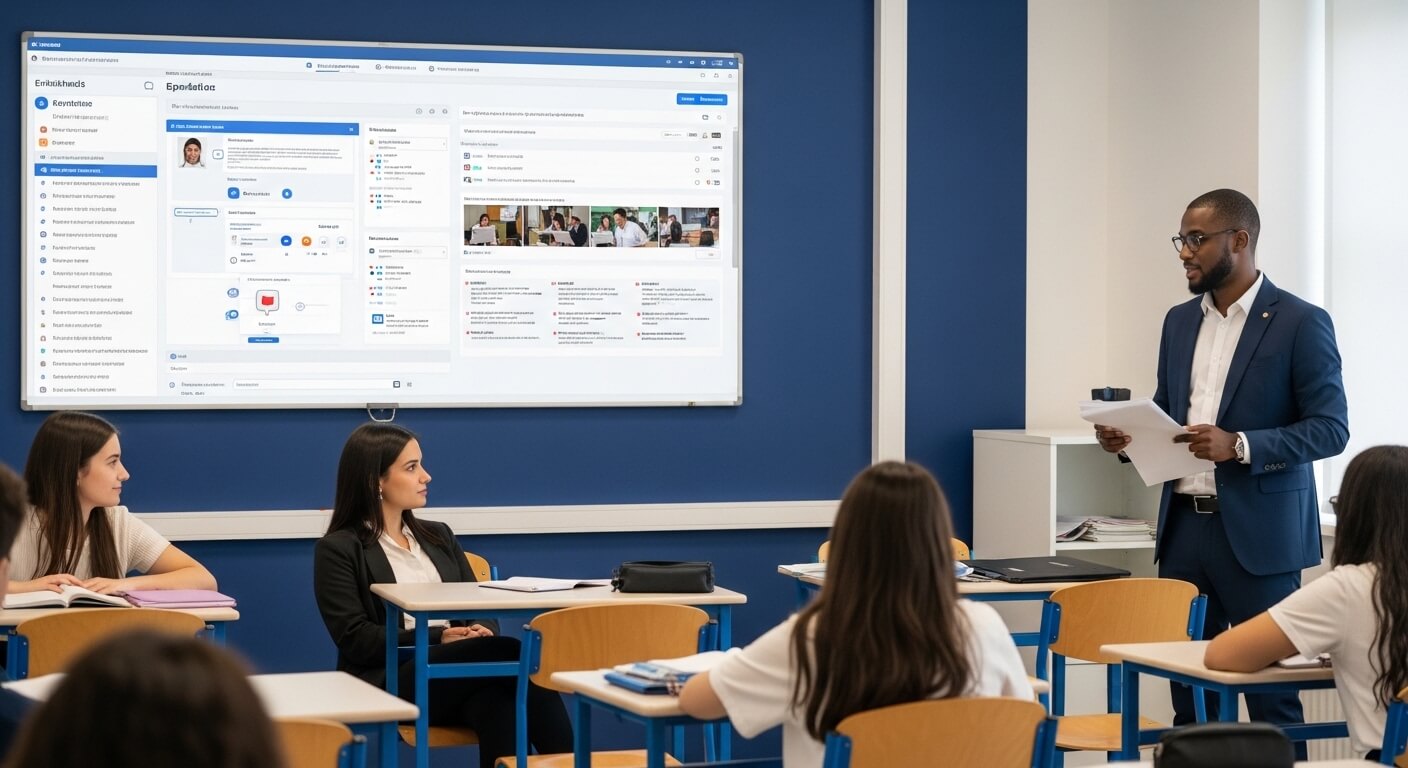
The world of education is evolving, and with it comes a wave of new learning methods. Among these innovations, Epodned has emerged as a popular alternative to traditional classroom settings. But what makes this modern approach stand out? As students navigate their academic journeys, they often find themselves torn between the well-trodden path of conventional education and the exciting possibilities offered by digital platforms like Epodned.
With countless options available for learners today, it’s essential to explore both sides—what each method has to offer in terms of effectiveness and engagement. Are students better off sitting in brick-and-mortar classrooms or immersing themselves in flexible online environments? Buckle up as we dive into this intriguing comparison that could reshape how you think about learning!
Benefits of Epodned for Students
Epodned offers a modern approach to learning that caters to the diverse needs of students. Flexibility is one of its most significant advantages. Students can access materials anytime and anywhere, allowing them to learn at their own pace.
This method also promotes interactive engagement through multimedia content. Videos, quizzes, and discussion forums enhance understanding and retention. Such resources make learning enjoyable rather than a chore.
Another noteworthy benefit is personalized feedback. Epodned platforms often include tools for assessments that provide instant results. This immediate input helps students identify strengths and areas needing improvement quickly.
Collaboration is another key feature of Epodned. It fosters connections among peers who might not otherwise meet in traditional settings. This sense of community enhances motivation and support as they share ideas and insights on various topics.
The integration of technology prepares students for future careers where digital literacy is vital.
Advantages of Traditional Learning for Students
Traditional learning offers a structured environment that many students thrive in. The classroom setting promotes direct interaction with teachers and peers, fostering collaboration and communication skills.
Face-to-face discussions allow for immediate feedback, enhancing understanding. This dynamic engagement encourages questions, sparking deeper exploration of subjects.
Additionally, traditional methods create a routine that can enhance discipline and time management. Students learn to balance their schedules between classes, assignments, and extracurricular activities.
Access to physical resources like libraries and laboratories enriches the learning experience. Hands-on experiments or group projects often lead to memorable discoveries that online platforms may not replicate fully.
The social aspect cannot be overlooked. Building friendships during school years contributes significantly to emotional development—something vital for personal growth beyond academics. These interactions lay the foundation for networking opportunities later in life too.
Comparison of Cost and Accessibility Between Epodned and Traditional Methods
When evaluating cost, Epodned often shines as a more budget-friendly option. Digital platforms typically offer lower fees than traditional schooling, which can mean significant savings for families.
Access to resources is another area where Epodned excels. Students can learn from anywhere with an internet connection, breaking down geographical barriers that may limit educational opportunities in conventional settings.
Traditional methods usually require physical materials and transportation costs, adding up over time. This financial burden may discourage some learners from pursuing their studies further.
Epodned eliminates these challenges by providing instant access to digital textbooks and online assignments without the need for commuting or hefty textbook prices. As a result, students can focus on learning rather than worrying about expenses or accessibility issues related to location.
Effectiveness in Retaining Information: A Study on Epodned vs. Traditional Methods
A recent study explored how well students retain information using Epodned compared to traditional methods. Researchers gathered data from diverse learning environments, focusing on memory recall and application of concepts.
Epodned learners showed a significant edge in retention rates. The interactive nature of the platform fosters engagement, which is crucial for memory consolidation. Gamified elements and instant feedback create an immersive experience that traditional classrooms often lack.
On the other hand, traditional methods rely heavily on lectures and textbooks. While effective for some, they may not cater to all learning styles. Students often find it challenging to remain engaged during long lectures.
The study highlighted that while both methods have their merits, Epodned’s innovative approach offers distinct advantages in retaining knowledge over time. This could reshape how educators think about lesson delivery and student interaction with content moving forward.
Real-World Applications and Opportunities for Students in Both Methods
Epodned opens doors to modern learning experiences. Students can engage with interactive content that mirrors real-world scenarios. This approach prepares them for challenges they will face in their careers.
On the flip side, traditional methods foster essential interpersonal skills. Group projects and class discussions help students build connections and network effectively. These interactions are crucial for professional growth.
Both methods also offer unique opportunities for internships and hands-on experiences. With Epodned, students can easily access virtual simulations tied to industry standards. Traditional learning often provides pathways to in-person internships through established partnerships with local businesses.
Additionally, online communities around Epodned create platforms where learners collaborate beyond geographical boundaries. Conversely, traditional classroom settings promote camaraderie among peers that lasts well into the workforce.
Each method cultivates a distinct set of skills valuable in various career paths, ensuring that students emerge ready to tackle their futures confidently.
Conclusion: Which Method is More Effective?
When evaluating Epodned and traditional methods of learning, it’s essential to consider various factors. Both approaches have their unique merits.
Epodned offers flexibility and accessibility that can cater to diverse learning styles. Students can learn at their own pace and revisit materials as needed. This adaptability often leads to a more personalized educational experience.
On the other hand, traditional methods provide structured environments where face-to-face interactions foster collaboration and communication skills. The social aspect cannot be overlooked; many students thrive in classroom settings with direct teacher support.
Cost considerations also play a significant role. Epodned typically reduces expenses related to commuting, housing, and physical materials. Traditional education may require higher upfront investments but might offer networking opportunities that prove invaluable later on.
The effectiveness of information retention varies between the two methods based on individual preferences and study habits. Studies suggest that some learners retain knowledge better through live interaction while others excel in digital formats due to instant feedback mechanisms provided by platforms like Epodned.
The choice between Epodned and traditional learning depends on personal needs, goals, and circumstances. Each method has its strengths that can lead to success for different types of learners in today’s ever-evolving educational landscape.