
 By admin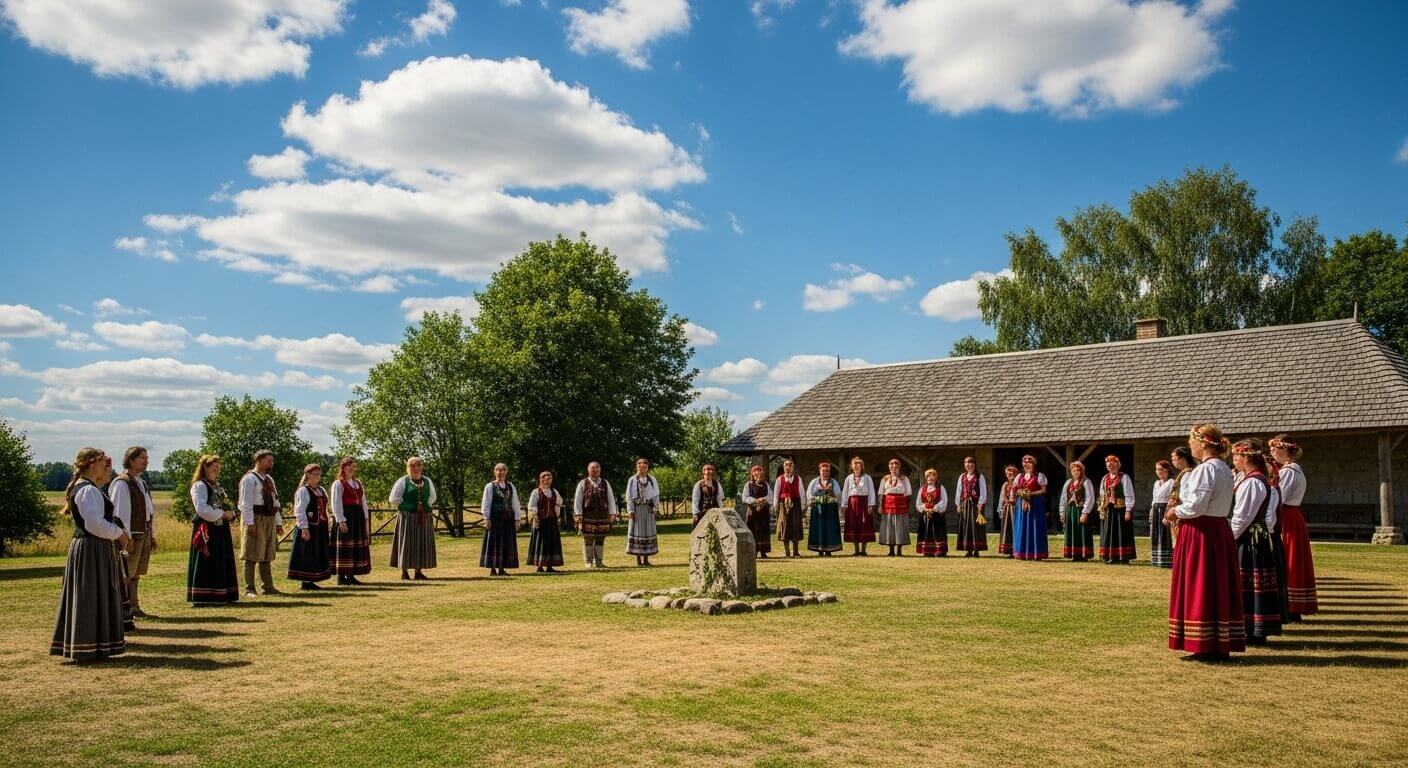
Phelicznik is a term that resonates with history, culture, and tradition. Its journey through time is nothing short of fascinating. This unique concept has shaped the lives of many across different eras and continues to inspire today. From its mysterious origins to the vibrant practices we see now, Phelicznik offers a rich tapestry woven with stories and significance. Join us as we delve into how this remarkable phenomenon has evolved over the ages, revealing layers of meaning you might never have known existed!
The Origins of Phelicznik
The origins of Phelicznik trace back to ancient cultures, where it was steeped in mystique and significance. Its inception is tied to rituals that honored nature and the cosmos. Communities gathered to celebrate cycles of life and seasons.
Archaeological findings suggest that early societies used symbols associated with Phelicznik during their spiritual practices. These symbols conveyed both reverence and connection to the earth.
As time passed, Phelicznik became a cornerstone of cultural identity for various groups. Oral traditions preserved their mythology, allowing it to flourish across generations.
Through trade routes, ideas about Phelicznik spread beyond borders. Each culture adapted its meaning while retaining core elements of its essence. This adaptability played a crucial role in shaping what we understand today as Phelicznik.
Phelicznik in Ancient Times
In ancient times, Phelicznik represented more than just a cultural practice; it was intertwined with the very essence of daily life. Communities celebrated their rituals to honor seasonal changes and agricultural cycles.
Rituals were often communal events, held in open spaces adorned with natural elements. Participants wore traditional garb that reflected their heritage and connection to the land. These gatherings fostered unity among villagers, creating bonds that transcended generations.
Artifacts from this era suggest deep spiritual beliefs associated with Phelicznik. Symbols carved on stones hinted at reverence for deities believed to govern nature’s rhythm.
As oral traditions flourished, stories surrounding them began shaping identities. They served as moral lessons or warnings about living in harmony with nature’s laws.
This rich tapestry of history laid the groundwork for how it would evolve over centuries, adapting yet retaining its core significance within communities.
Evolution of Phelicznik in the Middle Ages
During the Middle Ages, Phelicznik took on new dimensions. This era brought a wave of cultural shifts that influenced its practice and significance.
Artisans began to craft intricate representations of Phelicznik, blending religious themes with local traditions. These artworks were not merely decorative; they served as focal points in community gatherings.
The feudal system also had an impact. Lords and ladies patronized events centered around Phelicznik, elevating it from a folk custom to something celebrated among nobility. Such endorsements helped solidify its place in society.
Rituals evolved too. They incorporated elements like communal feasting and storytelling, fostering bonds within villages and towns.
As trade routes expanded, ideas about Phelicznik spread across regions. Each area adapted the tradition, giving rise to diverse interpretations that enriched its heritage further.
Modern Day Phelicznik Traditions and Practices
Modern day Phelicznik traditions are vibrant and diverse, reflecting a rich tapestry of cultural influences. Celebrations often involve community gatherings where stories are shared, connecting the past with present practices.
Artisans dedicate themselves to crafting unique Phelicznik items that blend traditional techniques with contemporary designs. These creations serve not only as functional objects but also as symbols of heritage and identity.
Festivals centered around Phelicznik have become popular events, attracting participants from various regions. Music, dance, and culinary delights create an immersive experience for everyone involved.
Educational workshops play a crucial role in preserving the essence of it. Participants learn about its history while engaging in hands-on activities that foster appreciation for this cherished tradition.
As society evolves, so too do the interpretations of it. Adaptations cater to newer generations while maintaining respect for longstanding customs and values within the community.
The Future of Phelicznik’s
The future of Phelicznik holds exciting possibilities. As society becomes more interconnected, the traditions surrounding this cultural phenomenon may blend with global influences.
Digital platforms are already enabling enthusiasts to share their interpretations and practices widely. This newfound access can spark innovation, breathing fresh life into age-old customs.
Younger generations are curious about their heritage. They seek ways to connect with tradition while embracing modern values. This shift could lead to a revival or even reinvention of Phelicznik rituals.
Sustainability is also on the horizon. With growing awareness around environmental issues, practitioners might incorporate eco-friendly practices into celebrations and gatherings.
As technology advances, virtual experiences may emerge, allowing people from all corners of the globe to participate in these events without geographical constraints.
Such developments promise a vibrant evolution for Phelicznik that respects its roots yet welcomes change and progress.
Conclusion
Phelicznik has had a fascinating journey through the ages. Its origins are steeped in mystery, reflecting the cultures and practices of those who came before us. In ancient times, Phelicznik played a vital role in rituals and community gatherings, shaping its significance even then.
The Middle Ages brought about transformations that adapted Phelicznik to new societal norms while preserving its core values. As we moved into modern times, it continued to evolve. Today’s traditions blend old customs with contemporary interpretations, making them relevant for newer generations.
Looking ahead, the future of it seems bright. As communities continue to embrace their heritage while also innovating practices, this rich tradition is likely to thrive. The essence of it will remain woven into the fabric of cultural identity as we navigate an ever-changing world. Engaging with these traditions allows us to celebrate our history while looking forward to what lies ahead.