
 By admin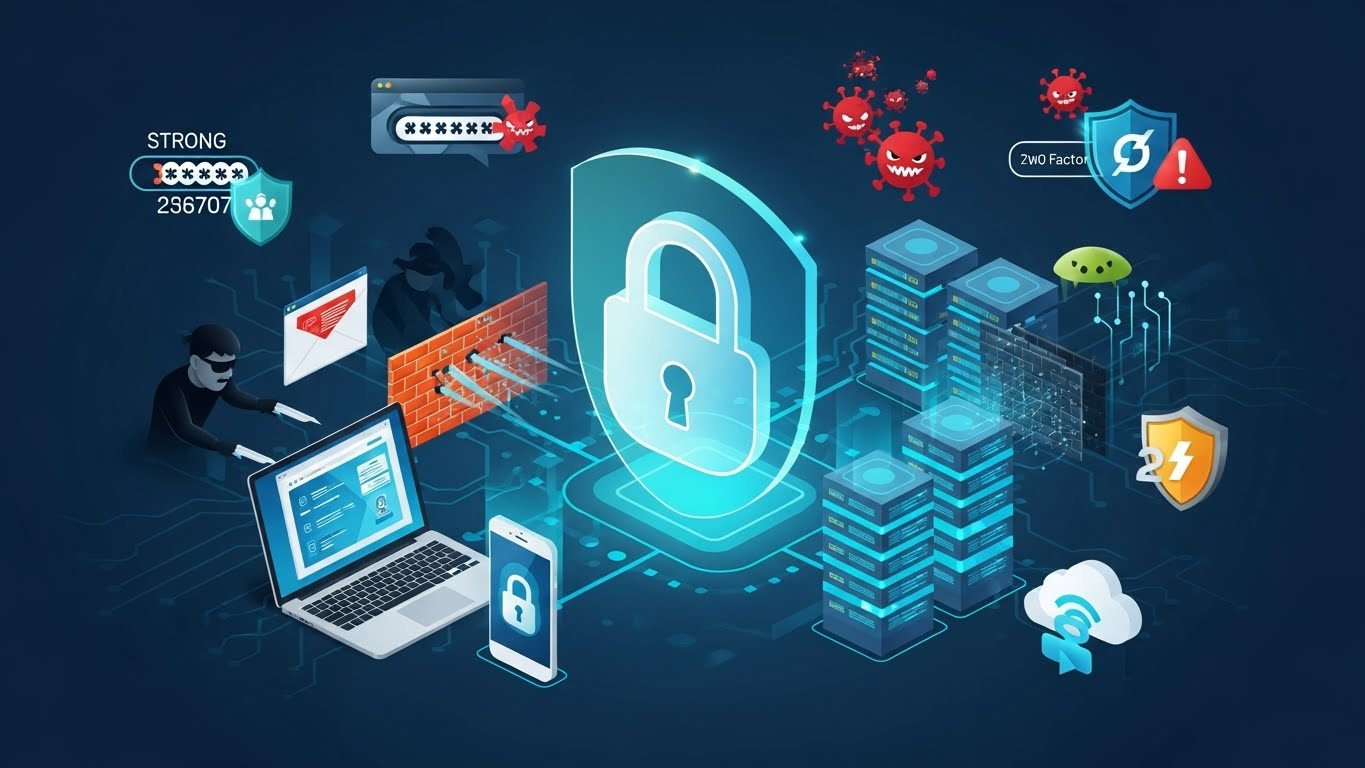
The internet is a vast, exciting realm filled with endless possibilities. However, lurking behind the screens are dangers that can disrupt our online experiences and harm individuals and communities alike. These threats, known as internetchocks, can take many forms—from misinformation to cyberbullying—affecting how we interact in this digital space.
As more people navigate their lives online, understanding what internetchocks are and how they impact us has never been more crucial. Whether you’re a casual browser or someone who spends hours scrolling through social media, being informed about these challenges will empower you to create a safer online environment for yourself and others.
Join us as we delve into the world of internetchocks. We’ll explore common types you may encounter, discuss their effects on society, and provide actionable tips to safeguard your digital life. Ready to become an internet-savvy navigator? Let’s dive in!
Common Types of Internetchocks
Internetchocks manifest in various forms, each posing unique risks. One prevalent type is phishing scams. Here, cybercriminals impersonate trusted entities to steal sensitive information like passwords and credit card details.
Another common variant is malware attacks. Malicious software can infiltrate devices through deceptive links or attachments, leading to data loss or identity theft.
Social engineering attacks also deserve attention. These tactics exploit human psychology to manipulate individuals into divulging confidential information under false pretenses.
Ransomware has gained notoriety recently. This harmful software locks users out of their files until a ransom is paid, often leaving victims with tough choices.
Online harassment and cyberbullying create toxic digital environments that affect mental health and well-being. Each type of internetchock requires vigilance and proactive measures for effective prevention.
Impact of Internetchocks on Individuals and Society
Internetchocks can have profound effects on both individuals and society. For many, the emotional fallout includes anxiety, depression, or a sense of isolation. Victims may feel powerless as their personal information is misused or exploited.
On a societal level, these incidents breed distrust. Communities become wary of sharing online experiences or sensitive information due to fear of becoming targets. This shift can stifle open communication and collaboration.
Moreover, businesses face significant repercussions when data breaches occur. Loss of customer trust often leads to decreased sales and damaged reputations that take years to rebuild.
Children are particularly vulnerable to internetchocks. They may not fully understand the consequences of their actions online, making them easy prey for predators and cyberbullies alike.
The ripple effect extends beyond just victims; it influences how society views cybersecurity and privacy measures moving forward. Awareness becomes crucial in creating a safer digital landscape for everyone involved.
How to Protect Yourself from Internetchocks
Protecting yourself from Internetchocks requires a proactive approach. Start by using strong, unique passwords for your online accounts. Consider a password manager to keep them secure and organized.
Enable two-factor authentication wherever possible. This extra layer of security can significantly reduce the risk of unauthorized access.
Be cautious about sharing personal information online. Adjust privacy settings on social media platforms to limit who can see your posts and profile details.
Regularly update your software and devices. Outdated systems often contain vulnerabilities that hackers exploit.
Educate yourself about phishing scams and how they work. Always verify the source before clicking links or downloading files from unknown emails or websites.
Stay informed about current cyber threats, as they constantly evolve. Awareness is key in defending against potential attacks on your digital life.
Tips for Parents to Ensure their Children’s Online Safety
Open a dialogue with your children about their online activities. Ask them what they enjoy, who they communicate with, and the games or platforms they use. This builds trust and encourages honesty.
Set clear rules regarding screen time and internet usage. Establish boundaries that everyone agrees upon to create a balanced lifestyle.
Utilize parental controls on devices to monitor content access. This helps filter inappropriate material while allowing kids some freedom online.
Encourage critical thinking skills by discussing potential dangers of sharing personal information. Make sure your child understands why privacy is essential in today’s digital world.
Lead by example when it comes to online behavior. Model responsible internet habits so your child has a real-life reference for safe practices online.
Role of Social Media in Promoting or Preventing Internetchocks
Social media plays a dual role when it comes to internetchocks. On one side, platforms can inadvertently promote negative behaviors. Users often share sensationalized content, leading to misinformation and harmful trends that spread like wildfire.
Conversely, social media also serves as a powerful tool for awareness. Campaigns highlighting online safety practices reach millions in an instant. Organizations leverage these platforms to educate users about the dangers of internetchocks and how to avoid them.
Community support flourishes on these networks as well. Individuals can share their experiences, creating a sense of solidarity among those affected by online threats.
The challenge lies in navigating this complex landscape. While some seek validation through risky behavior online, many advocate for safer digital spaces. Balancing engagement with responsibility is crucial in fostering a healthier environment on social media platforms.
Conclusion and Steps for a Safer Online Experience
Navigating the online world safely is more important than ever. Taking proactive steps to understand and combat internetchocks can lead to a healthier digital experience for everyone. Awareness of common threats like phishing scams, malware, and cyberbullying equips users with the knowledge needed to stay safe.
Implementing strong security measures such as using complex passwords, enabling two-factor authentication, and regularly updating software can significantly reduce risks. Encouraging open dialogues about online safety among family members fosters an environment where concerns can be shared without fear.
For parents, guiding children on responsible internet use is crucial. Discussing potential dangers while promoting critical thinking about what they encounter online helps build their resilience against harmful influences.
Social media plays a dual role in this landscape—it can either amplify or mitigate the effects of internetchocks. Platforms that prioritize user safety by implementing strict policies contribute positively, yet others may inadvertently perpetuate vulnerabilities.
Adopting these strategies creates a safer online environment not just for you but for your community too. Embracing vigilance today will pave the way for secure browsing tomorrow.